The Neighborhood You Remember and the One That Exists Now
Two versions of the same streets, running at the same time, in the same person.
July 13, 2026Sense of Place7 min read
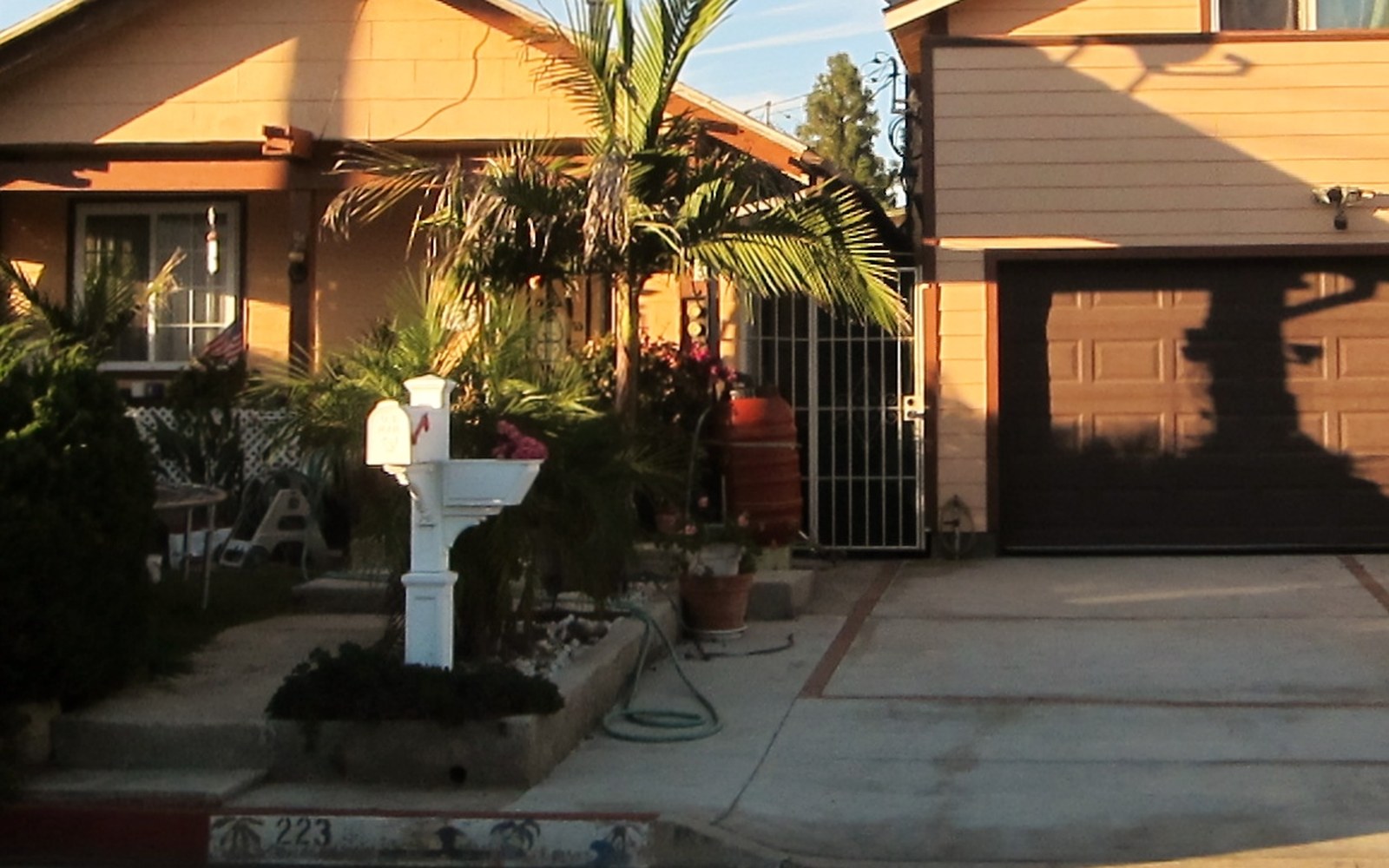
Everyone who has lived somewhere long enough carries two maps. There is the current one, which is accurate, and the older one, which is not, and the older one is the one that loads first.
You drive past a corner and your brain supplies what used to be there. Not as information — as a small, involuntary correction. That was something else.
The correction reflex
In coastal Orange County this reflex gets a lot of exercise. Buildings come down and go up. A low commercial strip becomes something taller and paler. A field that was, in memory, permanently a field turns out to have been between uses the whole time.
The pattern isn't unique to here. What might be a little particular to California is the speed at which the new thing starts looking permanent, and the way sunlight makes everything look like it has always been there by about the second summer.
Nostalgia is not really about the past. It is about the specific age you were when you were paying that much attention.
Nostalgia, examined
It is worth being suspicious of our own nostalgia, gently. The version of the neighborhood we mourn is usually the version that existed when we were between about eight and eighteen — the years when a place gets recorded in high resolution because you were traveling through it slowly, on foot or on a bike, with time to notice.
So when someone says the neighborhood has lost something, they are often, without meaning to, saying that they no longer move through it that way. Both things are true at once. The place changed. So did the attention being paid to it.
That does not make the loss imaginary. Some things genuinely go: the independent shop that could not carry a rent increase, the modest house that is now a large one, the quiet that came from fewer cars. A community can absolutely change in ways that make it less itself, and noticing that is not just sentimentality.
What newcomers see
Here is the part that stings a little. To someone who arrived last year, the current version is the neighborhood. They are recording their own high-resolution copy right now — this bakery, this route to the beach, this stretch of street — and in thirty years they will drive past and perform the same correction about something you consider new.
There is something clarifying in that. Every place is somebody's before and somebody else's now, permanently, at the same time.
Living in both
I don't think the goal is to let go of the old map. It is a form of love and it makes a place legible. The goal is to avoid using it as a scorecard — to stop grading the present against a remembered version it cannot win against.
Practically, in the context of a housing decision, this matters more than it sounds. People sometimes hold on to a house because they are holding on to a neighborhood that has already changed, and people sometimes leave a neighborhood assuming it has changed more than it has. The old map distorts in both directions.
The current one is worth a walk. Slowly, if possible, and preferably at the hour when the light is good, which is when the recording tends to happen.
Published July 13, 2026. This story discusses real-estate themes in general terms and is not legal, tax or financial advice. It does not describe specific clients or transactions.
A weekly field note
One story a week, in your inbox
No listings, no market alerts. Just one thoughtful story each week.
Demo only: this form is not yet connected to a mailing service. Nothing is stored or transmitted.
Keep reading
What Homes Hold
The House Is Rarely the Whole Story
Real estate has a vocabulary for the parts of a house that can be counted, and almost none for the parts that can't. This is an attempt at the second vocabulary.
August 24, 2026Home & Life7 min read
What Homes Hold
What the Junk Drawer Knows About Us
Nobody curates a junk drawer. That is precisely why it tells the truth about a household — and why it is the hardest thing to sort.
August 17, 2026Home & Life6 min read
The Next Chapter
When the Family Home Becomes a Family Conversation
Adult children, aging parents, and three completely sincere definitions of help — a story about timing, love and the conversations families postpone.
August 10, 2026Family & Transitions8 min read